
Topic
- Article
- Artificial Intelligence
- Automation (AI-Machine Learning-RPA)
- COVID-19
- Clinical Operations
- Cybersecurity
- Data & Interoperability
- Equity, Access, and Public Health
- HIT Infrastructure
- HealthIMPACT Brief
- Healthcare Innovation
- Healthcare Workforce
- Longevity
- Patient Experience
- Podcast
- Research
- TeleHealth

Talk About Human in the Loop
The companies building AI asked the UN to check their work. In healthcare, that checking falls to health system leaders. What to do Monday, and why the Champions of Care passes for the HealthIMPACT Fall Forum sold out.

Preparing for Accountability Beyond Hospital Walls
The Serious Reportable Events list had not been revised since 2011. The 2027 update names unrecognized clinical deterioration and extends applicable settings to home care, post-acute, and telemonitoring. At the same time, federal rural health dollars are putting monitoring technology into exactly those settings.

Will AI Be the Spirit Airlines of Healthcare?
Emanuel, Wachter and the AMA spent the summer arguing about whether AI-only care becomes medicine's economy class, and every one of them reached for an airplane to make the point. Here is the part of that metaphor nobody followed through. Aviation sold cheap seats without selling a lower safety standard, because a regulator owned the floor and it was not negotiable. Healthcare has not drawn that line for AI-delivered care, and on October 1 CMS starts moving fifty billion dollars into AI-enabled rural access.

Healthcare Everywhere Is Already Here
A tour of the Los Angeles Chargers' training facility produced the wrong lesson about hospitals, and then the right one. Where this year's Fall Forum theme came from, and the three verbs behind it.
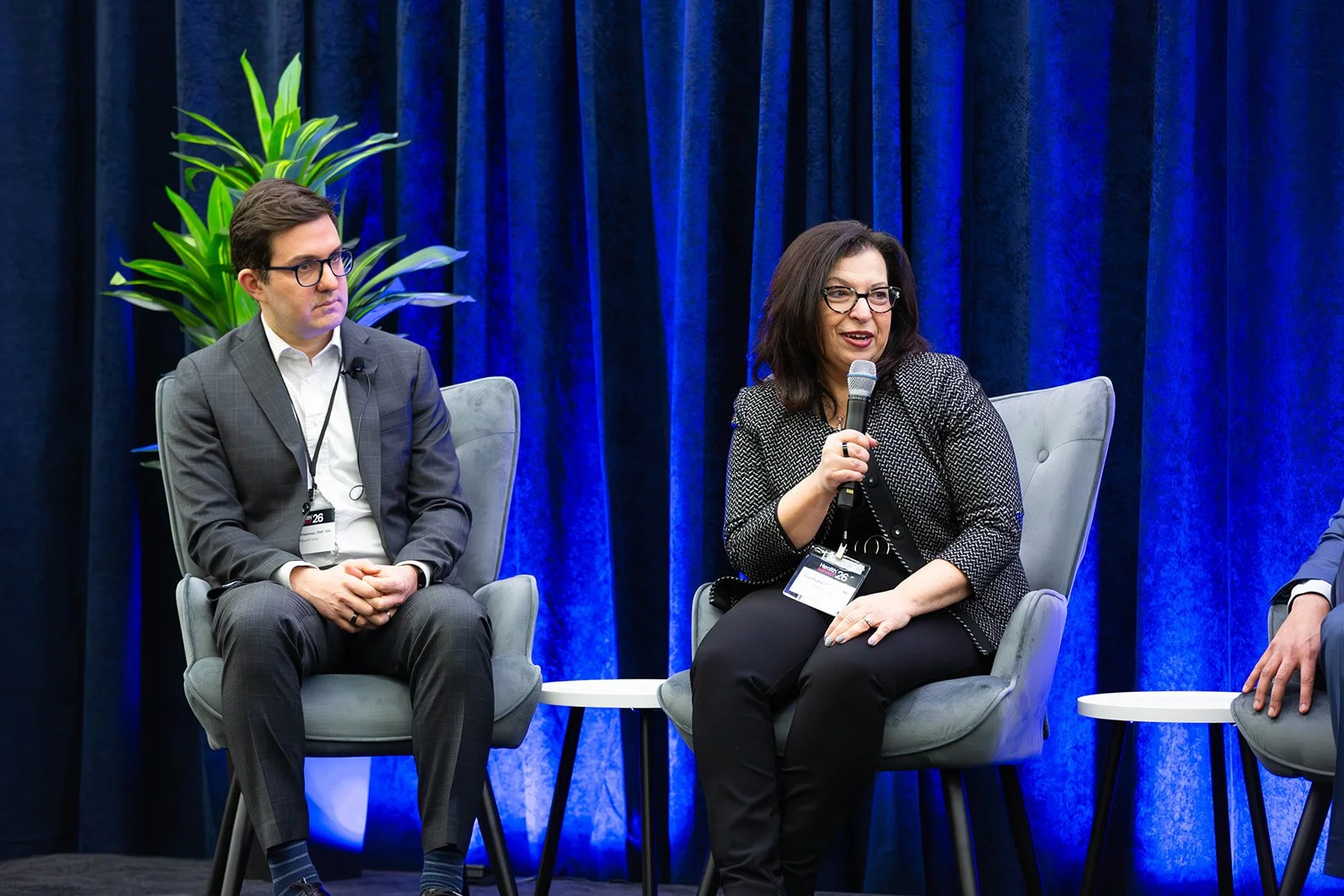
Epic Came Down-Market. Desperation Was Already There
Epic's UGM 2026 announcements put four decisions on the health system agenda before 2027. What the down-market move reaches, and what it misses.
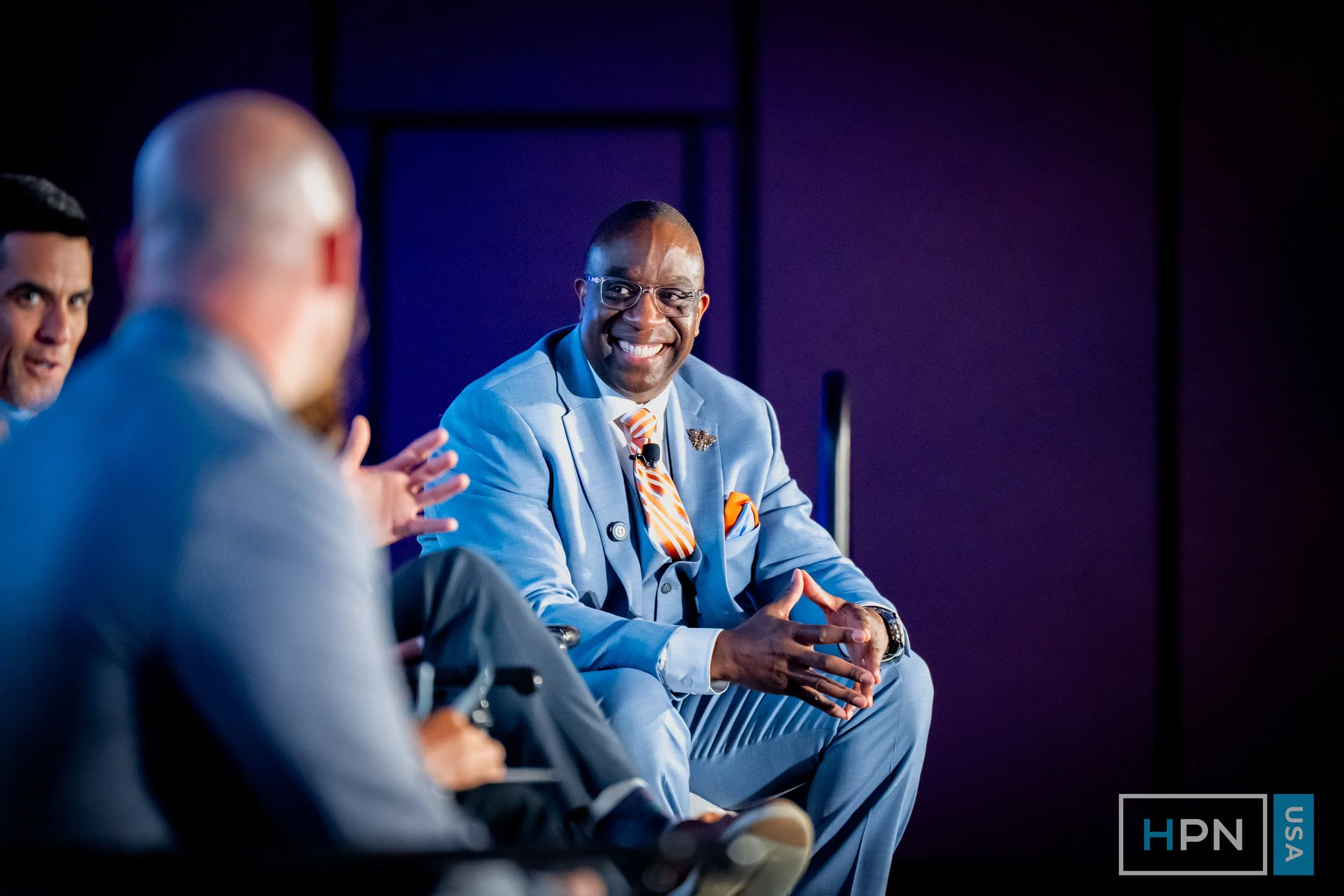
Three Hundred Security Sessions Later, I Clicked the Link
The training did not stop the click. What it changed was the ten seconds after. Notes from the HPN West Coast cybersecurity panel with Chase Franzen, Rachael Hill, Anthony Locascio and Mike Mosquito, on the identity governance gap nobody is naming.

Preventing Food Allergies Before They Start: When Policy Finally Catches Up With Science
Meenal Lele (M&T’05), Founder and CEO of Hanimune Therapeutics, brings a deeply personal and systems-driven perspective to the challenge of food allergy prevention—one shaped by both scientific rigor and lived experience. Trained at the intersection of engineering, medicine, and commercialization, she is building solutions to one of the fastest-growing public health problems affecting children today. Her work is grounded in a clear mission: to create a future in which food allergies are no longer an inevitable part of childhood.

Blood Pressure Control Crisis in Primary Care: When Seeing Patients Isn’t Enough
Dr. Andy Davis is a Professor and Associate Vice-Chair for Quality in the Department of Medicine. He is board certified in both internal medicine and in public health, and is a practicing clinician educator with research interests in quality improvement, prevention, and chronic disease. He is a clinician-educator with precepting and direct patient care responsibilities in the Primary Care Group and the University of Chicago Student Health Clinic. He was volunteer Attending of the Year in 2014 for Community Health, and is faculty advisor for the Maria Shelter Free Clinic.

What If the Most Important Advances in Digital Health Aren’t the Loudest Ones—but the Most Practical?
Janae Sharp, FHIMSS, brings a rare blend of health IT expertise, convening power, and human-centered leadership to one of healthcare’s most urgent challenges: clinician burnout and physician suicide. As Founder of the Sharp Index, she operates at the intersection of data, storytelling, and systems change—working to heal the healthcare workforce from the inside out. Her work reflects a deep belief that sustainable healthcare transformation begins with those who deliver care.

What If the Solution to America’s Number One Killer Isn’t in the Pharmacy—but in the Kitchen?
Dr. Elizabeth Klodas, MD, brings a rare and deeply credible perspective to modern healthcare—one shaped by decades inside the system she now seeks to improve. Trained at Mayo Clinic and Johns Hopkins, she spent more than 20 years as a preventive cardiologist working on the front lines of cardiovascular care. Her clinical expertise spans thousands of patients, countless prescriptions, and a firsthand understanding of how the traditional model excels at managing disease—but often falls short of restoring health.

Unleashing Healthcare Everywhere: Building the Borderless Hospital of Tomorrow
At HealthIMPACT Forum NYC, Dr. Rasu Shrestha of Advocate Health shared how the nation’s largest hospital-at-home program is rewriting the future of healthcare — moving care beyond hospital walls into homes and communities. From pandemic-born innovation to a person-centered, digitally connected care model, this borderless approach is delivering better outcomes at lower costs while reimagining what modern healthcare can be.

Oregon’s Bold Approach to Health Equity and Innovation
Dr. Sejal Hathi, Director of the Oregon Health Authority, shares her journey from battling chronic illness to shaping groundbreaking healthcare policies. From revolutionizing Medicaid to integrating social determinants like housing and nutrition, Oregon’s approach is setting the bar for health equity. Dr. Hathi’s insights on the intersection of technology and healthcare delivery highlight how the state is making healthcare more accessible, affordable, and effective for all.

Cracking the Code: How Generative AI Can Solve the Rare Disease Puzzle
In this article, we explore how generative AI is unlocking solutions for rare diseases. By accelerating drug discovery and enabling personalized treatment, AI is transforming healthcare for underserved patient populations. Advanced data analytics play a crucial role in addressing the complexities of diagnosing and treating rare conditions, providing new pathways for effective solutions and improving patient outcomes.